
How To Prevent Condensation in Your Storage Unit During Freeze-Thaw Cycles
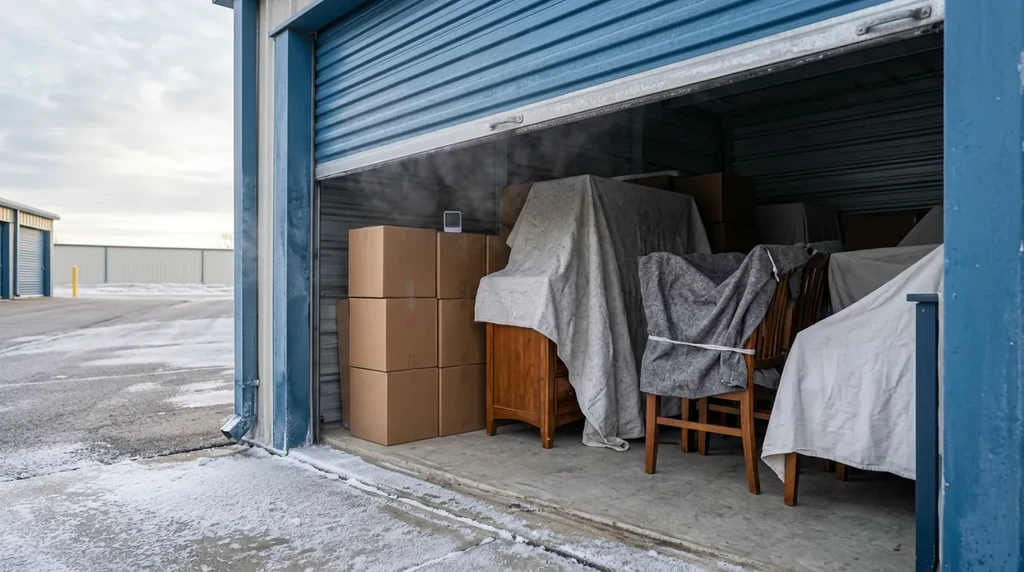
A wood dresser stored through a North Dakota winter can come back with swollen drawers and lifted veneer, not because temperatures got extreme, but because of repeated freeze-thaw cycles that no one planned for. If you are moving in winter or transitioning items into storage between November and March, condensation inside the unit is one of the most overlooked risks. Understanding why it happens and what you can do about it makes a real difference in how your belongings come out on the other side.
What Actually Causes Condensation in a Storage Unit
Condensation forms when warm air meets a cold surface. During a freeze-thaw cycle, outdoor temperatures swing up and down, sometimes within the same 24-hour period. A standard storage unit that is not temperature-regulated absorbs those swings. When warmer air moves in during a thaw, it carries water vapor. That vapor hits the cold metal walls, concrete floor, or the surfaces of your stored items and turns into liquid water.
The problem compounds when you open and close the unit during temperature shifts. Every time you roll up the door on a mild afternoon after a hard freeze, you are introducing a fresh wave of warm, vapor-laden air into a cold space. The result is condensation on your furniture, electronics, and anything stored directly on the floor.
Why Freeze-Thaw Cycles Are Harder on Storage Than a Steady Cold Spell
A consistent deep freeze is actually easier on stored items than repeated cycling. Wood, leather, and electronics tolerate stable cold reasonably well. What causes warping, cracking, and corrosion is the back-and-forth, the repeated contraction and expansion that comes with temperatures crossing the freezing point multiple times a week. In climates like those across South Dakota, Minnesota, and the upper Midwest, that kind of cycling is standard from late fall through early spring.
This is worth knowing if you are weighing your storage options for winter. The goal is to keep the temperature consistent enough that condensation does not have a chance to form.
Climate-Controlled Storage and How It Helps
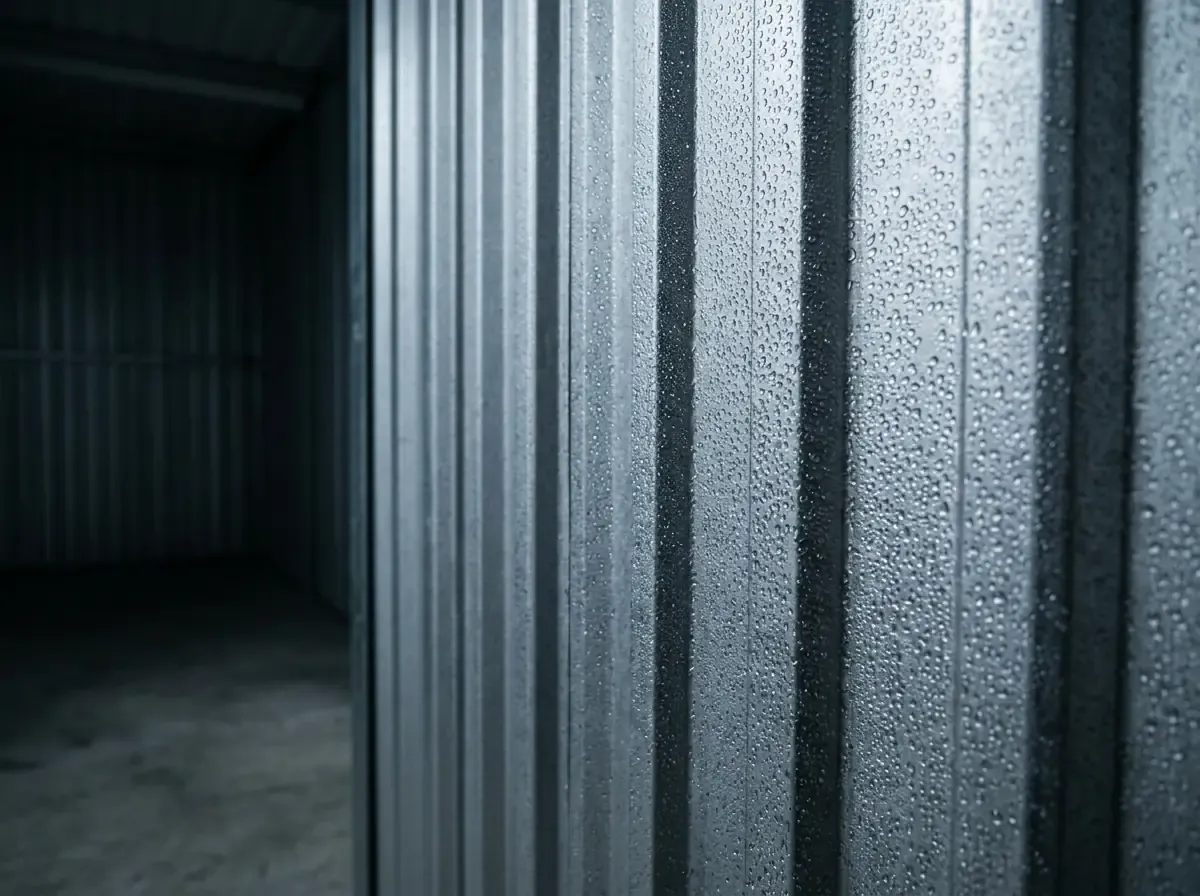
A climate-controlled unit maintains a consistent temperature range throughout the year, which means the dramatic swings that trigger condensation are reduced. For items that are sensitive to temperature changes, including wood furniture, musical instruments, artwork, and electronics, a climate-controlled storage unit is the more practical choice during winter months.
That said, even a temperature-regulated unit benefits from good packing habits. The unit itself handles the temperature swings, but how you load and organize your items still affects airflow and surface exposure.
Practical Steps To Reduce Condensation Risk in Any Unit
Regardless of which unit type you rent, these habits reduce the conditions that allow condensation to form.
Keep Items off the Concrete Floor
Concrete absorbs cold and stays colder longer than the air above it. Placing items directly on the floor puts them in contact with the coldest surface in the unit. Use wooden pallets, plastic shelving, or even a few layers of cardboard to create a buffer between your belongings and the slab. This is one of the simplest and most effective steps you can take.
Allow Airflow Between Items
Stacking boxes and furniture tightly together traps air in pockets that cannot circulate. When temperature shifts occur, those pockets become condensation zones. Leave a few inches of space between large items and between your stored goods and the unit walls. Air movement helps equalize temperature across surfaces and reduces the chance of water forming on any one spot.
Use the Right Packing Materials
Plastic bins with tight-fitting lids offer better protection than cardboard boxes during winter storage. Cardboard absorbs water and can transfer it to whatever is inside. For furniture, use breathable fabric covers rather than plastic sheeting, which can trap condensation against wood and upholstered surfaces. If you want to learn more, our packing tips can help you get the basics for protecting items in different conditions.
Time Your Unit Visits Thoughtfully
Opening your unit during the warmest part of a thaw day introduces the most water vapor into the space. If you can, visit during stable cold periods rather than on days when temperatures are actively rising. This is not always possible, but on days when the forecast shows a significant swing, it is worth waiting until temperatures stabilize before accessing your unit.
Dry Everything Before It Goes In
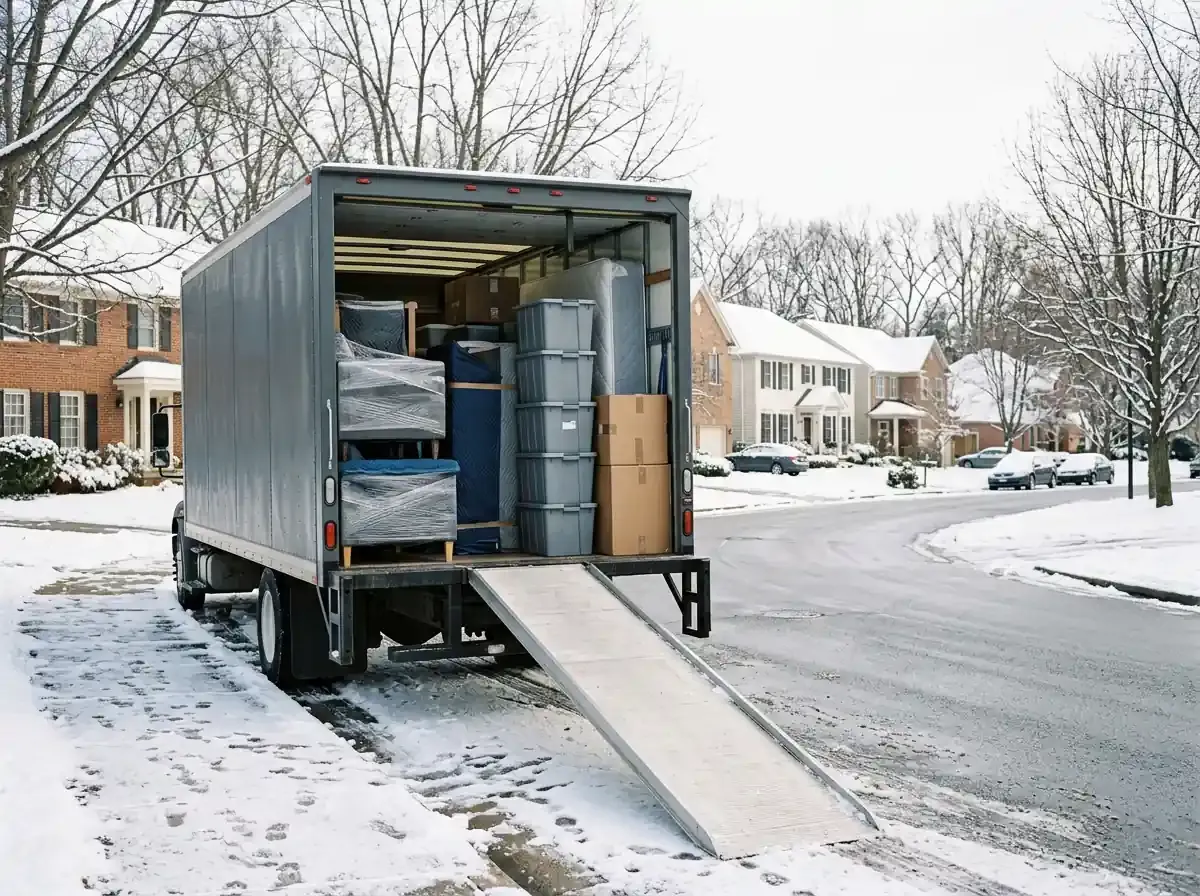
Items that go into storage already carrying surface water, from a move through snow or rain, introduce that water directly into the unit. Wipe down furniture, allow boxes to dry if they got wet during loading, and make sure fabric items are fully dry before sealing them in bins or bags. Moving in winter means dealing with wet conditions at every stage, so building in a drying step before you close the unit door pays off over the months ahead.
Choosing the Right Unit Size Also Matters
A unit that is much larger than your stored items leaves a lot of open air volume that cycles through temperature changes with every visit and every outdoor shift. Matching your unit size to your actual load reduces the air volume that needs to stay stable. Use our storage unit size guide to find a unit that fits your items without leaving excessive open space around them.
When You Are Moving in Winter, Plan the Storage Side Too
Moving in winter already demands more planning than a summer move. Roads, schedules, and loading conditions all get more complicated when temperatures drop. Storage is often treated as an afterthought in that process, but the unit type, packing approach, and loading habits you choose in December or February will directly affect what you find when you return in spring.
For anyone navigating a cold-weather move or putting items away for a long winter stretch, preparing your unit for winter conditions is a step worth taking seriously. You can also explore all available Five Star Storage locations to find a facility near you with the unit type and features that fit your winter storage needs.