
Protecting Electronics & Aging Furniture from Extreme Cold When Moving in Winter

A lot of people assume that moving in winter is just an inconvenience of slippery roads and cold hands. The bigger concern, though, is what sub-zero temperatures do to the items inside the moving truck. Electronics and wood furniture can all sustain real damage from cold exposure, and most of it happens quietly, without any obvious sign until weeks later.
What Cold Temperatures Actually Do to Your Belongings
The damage from cold is rarely dramatic. A laptop left in a freezing truck for several hours may power on just fine at first, only to show screen issues or battery problems later. LCD screens become brittle and can crack under pressure when cold. Hard drives are sensitive to rapid temperature shifts, which can cause read errors or, in worst cases, data loss. Cameras, gaming consoles, and audio equipment face similar risks.
Old and new wood furniture react differently but just as seriously. Wood expands and contracts with temperature swings, which can open joints, crack finishes, or warp drawer faces. Painted or lacquered pieces are especially vulnerable, since the finish and the wood beneath it respond to cold at different rates. Upholstered pieces can stiffen, and older fabrics may tear if handled while frozen.
Practical Steps To Reduce Cold-Weather Risk
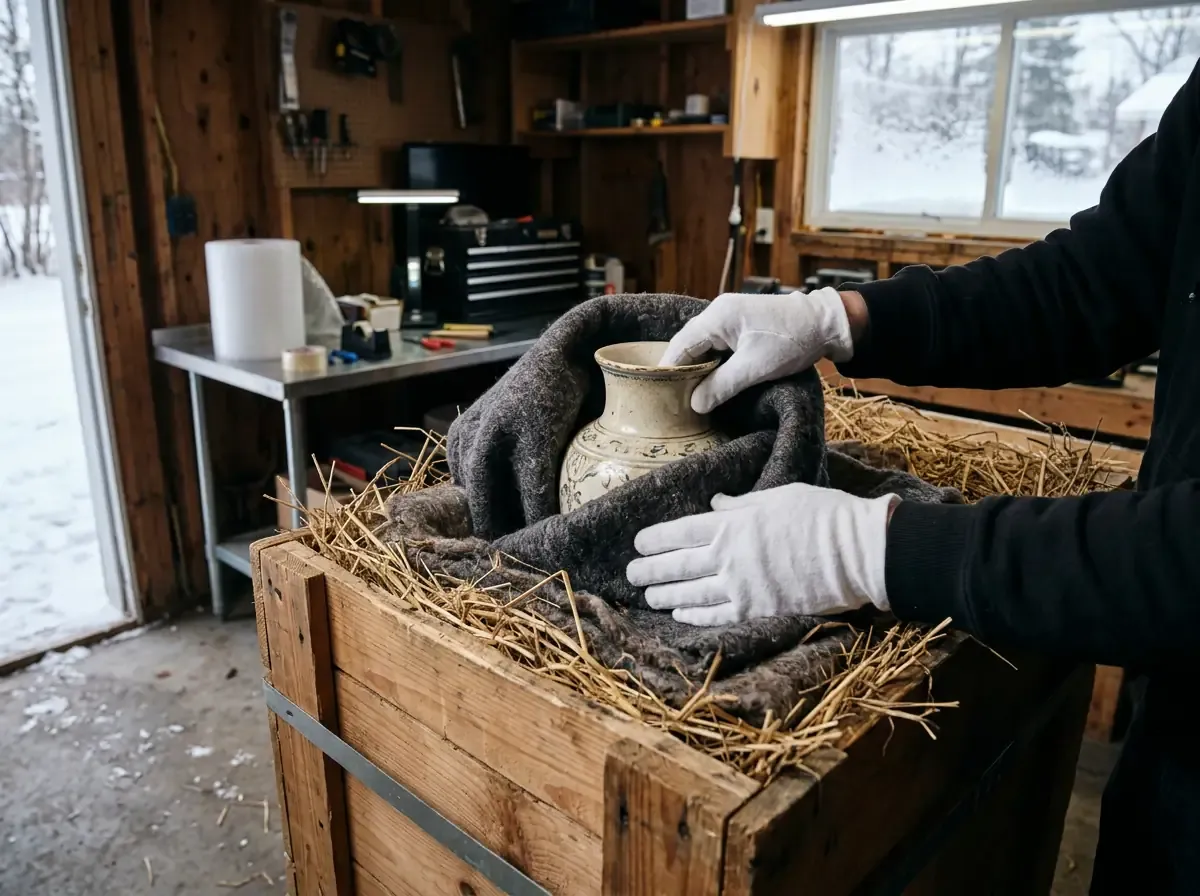
A few habits make a real difference when you're moving in winter across the Northern Plains or anywhere temperatures drop well below freezing.
- Wrap electronics in blankets or moving pads before loading them, and keep them toward the cab end of the truck where temperatures stay higher.
- Let electronics sit at room temperature for at least two hours before powering them on after a cold move. Condensation forms inside devices when cold air meets warm indoor air, and powering up too soon can short a circuit.
- Disassemble wood furniture where possible before a winter move. Fewer stress points mean fewer places for cold to cause damage.
- Use furniture pads generously on fragile items, not just to prevent scratches but to buffer temperature swings during transport.
- Move electronics last onto the truck and first off, minimizing their total time in the cold.
When Storage Is Part of the Move
Winter moves often involve a gap between leaving one place and settling into another. If electronics or your furniture need to sit somewhere in the meantime, a standard unheated unit can expose them to the same risks as a cold truck, just for longer. A climate-controlled storage unit keeps the environment within a consistent temperature range, which reduces the risk of the kind of gradual damage that cold causes to finishes, screens, and wood joints over days or weeks.
For a deeper look at how heated and climate-controlled options compare, we've broken down heated versus climate-controlled storage so you can see which type fits different situations. And if you're still figuring out what size unit your items will need, our unit size guide is a good starting point before you reserve.
Five Star Storage has locations across the region to fit wherever your move takes you. You can browse all available storage locations to find the facility closest to your route.
Winter moves are manageable with the right preparation. The items most people overlook, the electronics tucked in a box and the antique dresser wrapped in a single blanket, are often the ones that arrive in worse shape than expected. A little extra attention to temperature during the move and during any storage in between goes a long way.